Morning Patterns
Some individuals notice higher alertness in the morning hours, while others may take longer to feel fully awake. Observing your morning energy can help you understand your natural tendencies.
Understanding how your energy fluctuates can provide insights into your daily routines and personal rhythms.
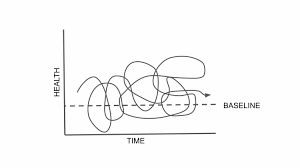
Most people experience variations in their energy levels throughout the day. These patterns can be influenced by numerous factors including sleep quality, meal timing, and activity levels.
Some individuals notice higher alertness in the morning hours, while others may take longer to feel fully awake. Observing your morning energy can help you understand your natural tendencies.
Many people experience a dip in energy during the afternoon hours. This is a common observation and can vary based on individual circumstances and daily activities.
As the day progresses, you might notice changes in your alertness and motivation. Some people feel a second wind in the evening, while others wind down earlier.
The amount of sleep you get can correlate with how you feel the next day. Tracking your sleep patterns may reveal interesting connections to your energy.
When and what you eat might influence your energy levels throughout the day. Observing these patterns can provide useful information about your routines.
Movement and exercise can affect how you feel throughout the day. Notice how different types of activity relate to your energy and alertness.
Light exposure, temperature, and noise levels in your environment may play a role in your energy fluctuations and overall comfort.
Developing a system to record your observations can help you identify patterns over time. There are various approaches you can explore to suit your preferences.
Writing brief notes about your energy levels at different times of day can create a valuable record. Include the time, your current activity, and how you feel.
Using a numerical scale to rate your energy can make it easier to spot trends over time. For example, rating your energy from 1 to 10 at set intervals.
Recording what you were doing before noticing a change in energy can help you understand potential contributing factors and patterns in your day.
After collecting information for several weeks, you may begin to notice recurring patterns. These observations are personal and unique to your circumstances and lifestyle.
Look for correlations in your data. For instance, you might notice that on days when you sleep less than seven hours, your afternoon energy tends to be lower.
Remember that many factors interact in complex ways, and patterns may shift over time as your circumstances change or seasons transition.
Understanding your energy patterns is an ongoing process. As you gather more information, you may develop a clearer picture of what influences your daily experience.
This knowledge can inform your choices about scheduling, rest periods, and activity planning, though it should always be considered alongside professional guidance when needed.
Educational Notice: All materials and practices presented are for educational and informational purposes only and are intended to support general well-being. They do not constitute medical diagnosis, treatment, or advice. Before applying any practice, especially if you have chronic conditions, consult a qualified healthcare professional.